
What Are the Challenges of International Travel with a Portable Oxygen Concentrator?
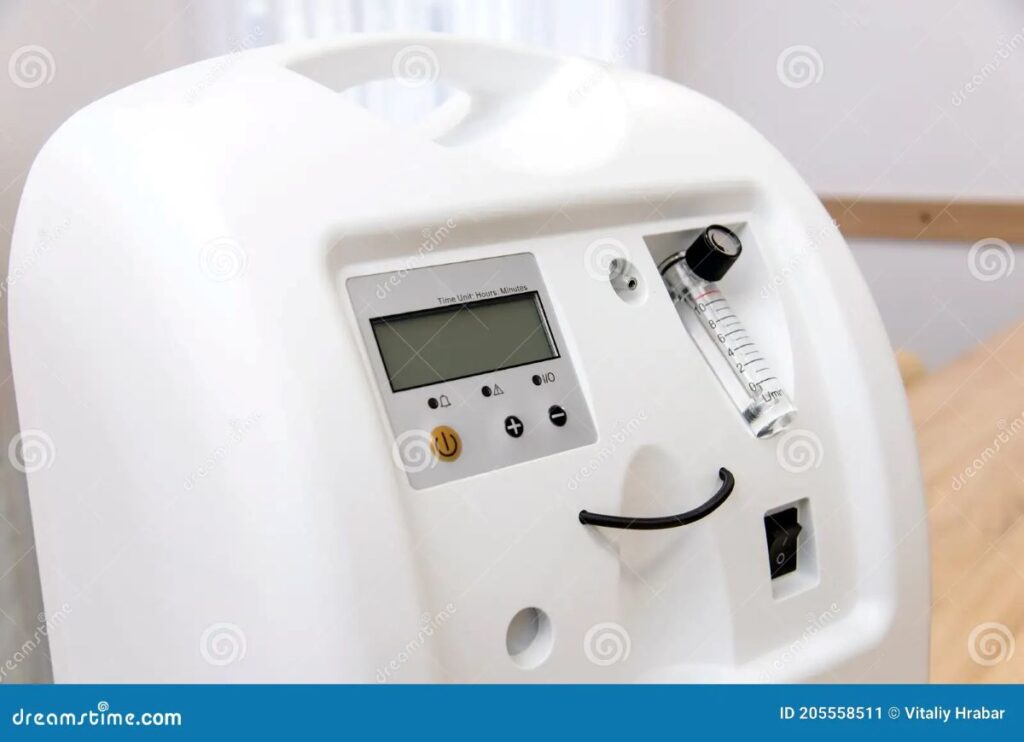
International travel with a portable oxygen concentrator presents unique obstacles that require careful planning and coordination. The primary challenge involves navigating varying airline policies, securing proper medical documentation, and ensuring your device meets international aviation standards.
1. Regulatory compliance
The most significant hurdle is regulatory compliance. Different countries and airlines have distinct requirements for medical devices, meaning an Oxygen Concentrator Portable approved in one region may require additional certification elsewhere. Aviation authorities such as the FAA, EASA, and CAA each maintain specific approval lists that travelers must verify before booking flights.
2. Battery management
Battery management creates practical difficulties during long-haul flights. Most international journeys exceed the battery life of standard POC units, requiring travellers to carry multiple spare batteries. Airlines restrict the number and capacity of lithium batteries passengers can bring, typically limiting spare batteries to those under 160 watt-hours.
3. Documentation requirements
Documentation requirements vary dramatically between carriers and countries. Some airlines demand medical clearance forms completed 48-72 hours before departure, whilst others accept a simple physician’s letter. Travellers often discover these requirements too late, risking denied boarding or last-minute flight changes.
4. Time zone changes and layovers
Time zone changes and layovers complicate oxygen supply calculations. A direct flight’s oxygen needs differ vastly from a journey with multiple connections, where airport power sources may be unavailable or incompatible with your device’s charging requirements.
5. Language barriers
Language barriers at international airports can impede communication with security personnel and airline staff. Explaining medical equipment needs becomes challenging when staff lack English proficiency or familiarity with POC devices, potentially causing delays during security screening or boarding.
What Do Travellers Need to Know About Airline Policies for Portable Oxygen Concentrators?
Airlines require advance notification, typically 48 to 72 hours before departure, when passengers plan to use a portable oxygen concentrator during flight. Each carrier maintains distinct policies regarding medical equipment, making it essential to contact your specific airline directly rather than assuming universal standards.
Mandatory Documentation Requirements
Most airlines demand a physician’s letter dated within 10 days of travel. This document must specify your oxygen flow rate, confirm your ability to hear and respond to safety instructions, and state that you can self-administer oxygen without assistance. The letter should include:
- Your diagnosis and medical necessity for oxygen therapy
- Prescribed flow rate settings (in litres per minute)
- Duration of oxygen use required during flight
- Physician’s contact information and medical licence number
Some carriers provide their own medical information forms (MEDIF) that your doctor must complete. These standardised forms help airlines assess whether they can accommodate your needs safely.
Airline-Specific Approval Processes
British Airways, Virgin Atlantic, and American Airlines each maintain different approval timelines and procedures. British Airways requires submission of medical forms at least 48 hours before travel, whilst some international carriers demand up to 7 days’ notice for long-haul flights.
Budget airlines often have stricter policies or may not permit POCs at all. Ryanair and EasyJet, for instance, have limited medical equipment accommodations compared to full-service carriers. Always verify policies during booking rather than at check-in.
Restrictions on Device Types
Airlines only permit POCs that appear on the FAA-approved list or equivalent regulatory body approvals. Your device must display a manufacturer’s label indicating compliance with aviation safety standards. Liquid oxygen systems and compressed gas cylinders face universal prohibition in passenger cabins due to pressurisation risks.
The device must fit under the seat in front of you or in the overhead compartment. Dimensions typically cannot exceed 56cm x 45cm x 25cm, though this varies by carrier and aircraft type.
Booking Considerations and Seat Assignments
Request a window seat when booking, as airlines rarely permit POC users in exit rows or aisle seats where the device might obstruct emergency evacuations. Some carriers automatically assign specific seats to accommodate medical needs; however, it’s advisable to confirm such arrangements directly with the airline prior to travel.
What Device Requirements Must a Portable Oxygen Concentrator Meet for Air Travel?
Your portable oxygen concentrator must carry FAA approval or equivalent certification from recognised aviation authorities to be permitted in aircraft cabins. Airlines universally require this approval marking, typically displayed as a label on the device itself stating compliance with FAA standards or similar international certifications.
Weight and Size Specifications
Most airlines restrict POCs to devices weighing under 7 kilograms (approximately 15 pounds). The unit must fit beneath the seat in front of you or in the overhead compartment, similar to standard carry-on luggage. Bulky or oversized concentrators that cannot be stowed properly during takeoff, landing, and turbulence will be denied boarding.
Battery-Powered Operation
Your device must operate on battery power rather than requiring direct electrical connection during flight. Compressed gas cylinders and liquid oxygen systems are prohibited on commercial aircraft due to pressurisation risks. The POC should function independently without needing to plug into aircraft power outlets, though some airlines offer medical power sockets on specific aircraft models with advance arrangement.
Label and Documentation Requirements
The manufacturer’s label must remain clearly visible and legible on your concentrator. This label should display:
- FAA approval number or equivalent certification
- Manufacturer name and model number
- Device specifications and power requirements
- Safety warnings and operational instructions
Airlines may refuse devices with damaged, removed, or illegible labels since they cannot verify compliance with safety standards.
Operational Safety Features
Your POC must include automatic shut-off mechanisms that activate when the device detects problems or malfunctions. Airlines require units with proper ventilation systems that prevent overheating during extended use. The device should not emit excessive noise that disturbs other passengers, typically staying below 60 decibels during normal operation.
Battery Specifications
Lithium batteries powering your concentrator must comply with IATA dangerous goods regulations. Individual batteries should not exceed 160 watt-hours, with most POC batteries ranging between 90-160 watt-hours. You’ll need documentation showing battery capacity ratings, usually found in the device manual or on the battery itself.
How Can Travellers Prepare Their Oxygen Supply and Batteries for International Flights?
Calculating Battery Needs
Travellers must calculate their total battery needs by adding the flight duration, potential delays, and layover time, then multiply by 150% to create a safety buffer. Most airlines require passengers to carry enough battery power to last the entire journey without recharging, as in-flight charging options are rarely available or reliable.
Battery Quantity Calculation Example:
- 8-hour flight + 3-hour layover = 11 hours
- 11 hours × 1.5 safety factor = 16.5 hours of battery capacity needed
- If each battery lasts 4 hours: 16.5 ÷ 4 = 5 batteries minimum
Permitted Battery Types on International Flights
Airlines accept lithium-ion batteries for portable oxygen concentrators, but strict watt-hour (Wh) limitations apply. Spare batteries must remain in carry-on luggage, never checked baggage, with terminals protected against short circuits using original packaging or tape over exposed contacts.
The standard limits include:
- Batteries under 100Wh: No airline approval needed
- Batteries 100-160Wh: Airline approval required, maximum 2 spare batteries
- Batteries over 160Wh: Prohibited on passenger aircraft
Packing and Protecting Batteries
Each spare battery requires individual protection in its original case or a dedicated battery bag. Exposed terminals pose fire risks if they contact metal objects like keys, coins, or other batteries. Many travellers use plastic battery cases or wrap terminals with electrical tape for added security.
Keep all batteries accessible during security screening. TSA and international security agencies inspect medical device batteries separately from other electronics, so storing them in an easily removable pouch speeds up the process.
Oxygen Supply Options for Air Travel
Compressed gas cylinders and liquid oxygen systems are prohibited in aircraft cabins and cargo holds on most commercial flights. The pressurised environment creates explosion risks with traditional oxygen tanks, making battery-powered concentrators the only viable option for air travel.
Some airlines offer their own oxygen cylinder services for specific routes, but these require booking 5-10 days in advance and
How Should Travellers Handle Security Screening With a Portable Oxygen Concentrator?
Security screening with a POC requires advance preparation and clear communication with TSA or equivalent security personnel. The device will undergo standard screening procedures, but travellers can take specific steps to expedite the process and avoid complications.
Essential Documentation to Carry
A physician’s letter explaining the medical necessity of the device proves invaluable during security checks. This letter should include:
- Patient’s name and diagnosis
- Specific oxygen flow requirements
- Confirmation that the device is medically necessary for travel
- Doctor’s contact information and signature
- Date of issuance (preferably within 30 days of travel)
The POC manufacturer’s documentation showing FAA approval should accompany the medical letter. Many security officers request this information to verify the device meets aviation safety standards.
What Happens During the Screening Process?
Security personnel will inspect the POC separately from other carry-on items. The device typically passes through X-ray screening without causing damage to its internal components, though travellers may request a visual inspection if concerned about X-ray exposure.
Officers may swab the device for explosive residue testing—a standard procedure for electronic medical equipment. This process takes approximately 2-3 minutes and requires the device to remain powered off during testing.
Navigating Physical Screening Requirements
Travellers using a POC whilst walking through security should inform officers immediately upon approaching the checkpoint. Security staff can provide alternative screening methods that accommodate continuous oxygen use, such as:
- Hand-wand metal detector screening instead of walk-through detectors
- Pat-down procedures whilst the device remains in use
- Seated screening areas for those with mobility limitations
Battery Screening Protocols
Spare batteries require special attention during screening. Lithium-ion batteries must remain in carry-on luggage, never checked baggage. Security officers may ask travellers to:
- Remove batteries from bags for separate X-ray screening
- Demonstrate that at least one battery powers the device
- Verify the watt-hour rating marked on each battery
Batteries exceeding 160 watt-hours face restrictions or outright bans on most airlines. Travellers should verify their battery specifications before packing.
See Also : How to Find Reliable CPAP Mask Online Stores
What Additional Preparations Are Needed For Layovers and Destination Oxygen Needs?
Layovers require advance planning to ensure continuous oxygen access between flights. Contact each airport along your route to identify designated medical assistance areas, quiet zones with power outlets, and the location of first aid stations. Many international airports offer special lounges or medical facilities where travellers can rest and recharge equipment between connections.
Battery calculations become critical during extended layovers. Calculate your total oxygen needs by adding flight time, boarding periods, deplaning, and layover duration, then add at least 50% extra capacity as a safety buffer. A 12-hour journey with a 3-hour layover requires approximately 22.5 hours of battery life when accounting for the recommended buffer.
Arranging Oxygen at Your Destination
Research oxygen suppliers at your destination country weeks before departure. Different nations have varying regulations regarding medical equipment importation and use. Some countries require advance customs declarations for medical devices, whilst others mandate local medical prescriptions before allowing POC use.
Create a list of local oxygen providers near your accommodation. Request contact details for emergency oxygen delivery services and verify they stock compatible batteries and accessories for your specific POC model. Save these contacts in multiple formats—phone, email, and physical addresses—in case internet access becomes limited.
Documentation for International Locations
Carry translated medical documentation in the local language of your destination. Include your prescription, device specifications, and emergency contact information for your home healthcare provider. Embassy contact details prove invaluable if customs officials question your medical equipment or if device malfunctions require local medical intervention.
Voltage and power compatibility varies significantly between countries. Verify your POC’s voltage range (typically 100-240V) matches your destination’s electrical system. Purchase appropriate plug adapters before departure, as airport shops often charge premium prices and may lack the specific adapter you need.
Transit-Specific Considerations
Some layover airports restrict access to certain terminals or require visa documentation for extended stays. Confirm whether you can remain airside throughout your connection or if you must clear customs and re-enter security. The latter scenario demands extra battery capacity and additional time for security screening with your POC.
Airport lounge access provides reliable charging stations and comfortable rest areas. Many credit cards, airline loyalty programmes, or day passes grant entry to these lounges, ensuring you have a dedicated space to recharge both yourself and your equipment during long layovers.
How Can Travellers Manage Device Charging and Electrical Compatibility Abroad?
Different countries use varying electrical standards, requiring travellers to prepare charging solutions before departure. International destinations operate on voltage ranges from 110V to 240V with different plug configurations, making it essential to verify your portable oxygen concentrator’s compatibility with foreign electrical systems.
Understanding Voltage Requirements
Most modern POCs feature dual-voltage capabilities (100-240V), automatically adjusting to local power supplies. Check your device’s power adapter label or user manual to confirm voltage compatibility. Single-voltage devices designed only for 110V or 120V systems risk damage when plugged into 220V or 240V outlets common throughout Europe, Asia, and Africa.
Selecting the Right Power Adapters
Travel adapters convert plug shapes but do not change voltage. Identify which plug types your destinations use:
- Type A/B: North America, Japan
- Type C/E/F: Continental Europe
- Type G: United Kingdom, Ireland, Malaysia, Singapore
- Type I: Australia, New Zealand, China
Universal travel adapters accommodate multiple plug configurations, offering flexibility for multi-country itineraries. Purchase adapters from reputable manufacturers to ensure proper grounding and safety certifications. You may like to visit https://www2.education.vic.gov.au/pal/testing-and-tagging-electrical-equipment/procedure/6-double-adapters-and-power-boards to get more about double adapters and power boards.
Planning Charging Schedules
Calculate total charging time needed for your POC batteries during overnight hotel stays. Most POC batteries require 3-6 hours for full charging, depending on capacity. Request rooms near electrical outlets or bring extension cords to position your device conveniently whilst sleeping.
Charge all spare batteries before departing your accommodation each day. Hotel staff can often provide information about power outlet locations in common areas if you need supplementary charging access during daytime hours.
Protecting Devices from Power Surges
Electrical fluctuations in some countries pose risks to sensitive medical equipment. Portable surge protectors designed for travel add protection layers between your POC and potentially unstable power sources. These compact devices weigh minimal amounts and fit easily in carry-on luggage.
Accessing Power During Transit
Research airport charging facilities at layover locations, as not all terminals provide accessible power outlets. Many international airports now feature dedicated charging stations in waiting areas. Download airport maps beforehand showing outlet locations to minimise searching time during connections.
What Health Precautions Should Travellers Using Portable Oxygen Concentrators Take?
Travellers using POCs should maintain their regular oxygen therapy routine and monitor their oxygen saturation levels frequently during the journey. Changes in cabin pressure, stress, and physical exertion can affect oxygen needs, making it essential to check SpO2 readings with a pulse oximeter at regular intervals.
Essential Medical Documentation
Carry comprehensive medical documentation in both physical and digital formats. This includes your prescription for oxygen therapy, a detailed letter from your physician explaining your condition, current medication lists, and emergency contact information for your healthcare provider. Keep copies in multiple locations—your carry-on bag, checked luggage, and with a travel companion.
Infection Prevention Strategies
Air travel exposes passengers to enclosed spaces with recirculated air, increasing infection risks. Travellers dependent on oxygen therapy often have compromised respiratory systems, making them more vulnerable to airborne illnesses.
Key protective measures include:
- Wearing a well-fitting mask in crowded airport areas and during boarding
- Sanitising hands before touching your face, eating, or adjusting your nasal cannula
- Wiping down tray tables, armrests, and other high-touch surfaces near your seat
- Replacing nasal cannulas regularly to prevent bacterial buildup
- Storing spare cannulas in sealed, clean bags
Hydration and Altitude Considerations
Aircraft cabins maintain lower humidity levels than ground environments, which can dry out nasal passages and airways. Drink water consistently throughout the flight to prevent dehydration and maintain mucous membrane moisture. Avoid alcohol and excessive caffeine, as both contribute to dehydration.
The cabin pressure equivalent of 1,800 to 2,400 metres altitude reduces available oxygen. Passengers may need to increase their flow rate settings during flight. Discuss altitude-related adjustments with your respiratory specialist before departure and test different settings if possible.
Medication Management
Pack all respiratory medications in your carry-on luggage with enough supply for the entire trip plus several extra days. Temperature-sensitive medications require insulated storage, particularly in checked baggage holds where temperatures fluctuate dramatically.
Create a medication schedule accounting for time zone changes. Set alarms on your phone to maintain consistent dosing intervals, adjusting gradually as you cross time zones.
Are There Any Fees or Seating Requirements When Travelling With Oxygen Equipment?
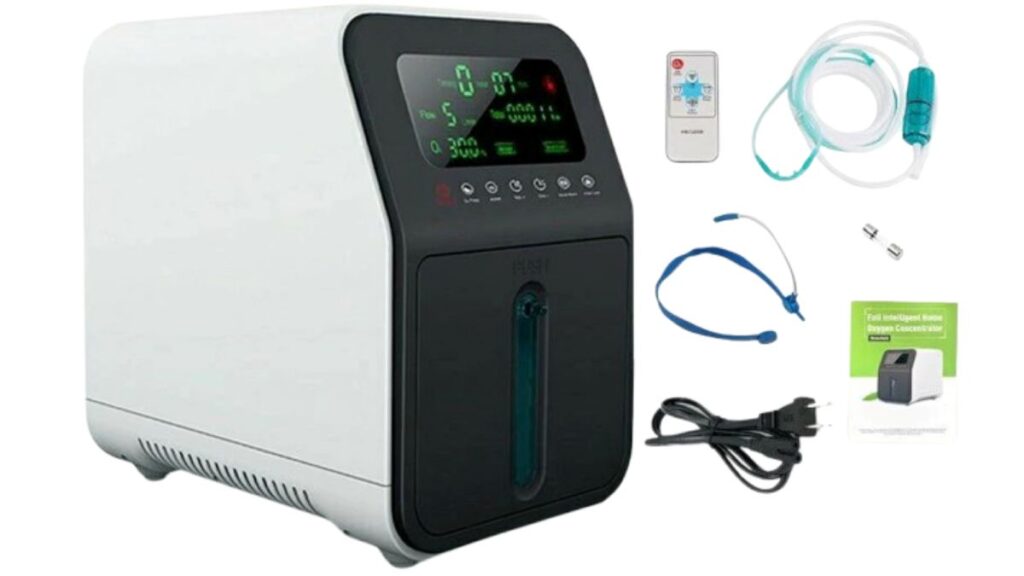
Most airlines allow passengers to bring FAA-approved portable oxygen concentrators at no additional charge when used as a medical device. The device counts as a medical assistive device rather than standard carry-on luggage, meaning it typically doesn’t affect your baggage allowance.
Airline-Supplied Oxygen Cylinders
When airlines provide oxygen cylinders instead of allowing personal POCs, fees can range from £50 to £300 per flight segment depending on the carrier. These charges cover the cost of the medical oxygen supply and associated handling. Budget airlines and regional carriers often charge higher rates or may not offer this service at all.
Seating Considerations
Airlines rarely require an extra seat for personal portable oxygen concentrators since these devices fit under the seat or in the overhead compartment. Airline-supplied oxygen cylinders, particularly on smaller aircraft, may necessitate purchasing an adjacent seat to accommodate the equipment safely. The cylinder must be secured properly and cannot obstruct emergency exits or aisles.
Passengers using oxygen equipment cannot sit in exit rows due to safety regulations. Airlines typically assign seats with easy access to lavatories and extra space where possible. Window seats are often preferred as they provide better access to power outlets on equipped aircraft and reduce disruption to other passengers.
Documentation to Avoid Unexpected Charges
Carry your physician’s letter and device approval documentation to prevent disputes about fees at check-in. Some airline staff may incorrectly attempt to charge for medical equipment or count it as extra baggage. Having written confirmation of the airline’s policy, obtained during your advance notification process, protects against these situations.
International Variations
Non-US carriers may have different fee structures and seating policies. European airlines generally follow similar protocols to American carriers, but Asian and Middle Eastern airlines sometimes have stricter requirements or higher charges for oxygen services. Verify specific policies with each airline on multi-carrier itineraries, as rules can differ between connecting flights.
FAQs (Frequently Asked Questions)
What are the main challenges of international travel with a portable oxygen concentrator?
Traveling internationally with a portable oxygen concentrator involves challenges such as complying with varying airline policies, ensuring device compatibility with international electrical outlets, managing battery life for long flights, and navigating security screenings efficiently.
What do travellers need to know about airline policies for portable oxygen concentrators?
Travellers should check specific airline policies before flying, including requirements for device approval, advance notice for carrying medical equipment, seating arrangements, and any fees associated with transporting portable oxygen concentrators.
What device requirements must a portable oxygen concentrator meet for air travel?
Portable oxygen concentrators must be approved by aviation authorities like the FAA or equivalent bodies, comply with size and battery capacity restrictions, and have appropriate documentation to be allowed onboard aircraft.
How can travellers prepare their oxygen supply and batteries for international flights?
Travellers should carry fully charged batteries plus spares to cover unexpected delays, confirm that batteries are airline-approved, pack chargers and adapters suitable for destination power outlets, and inform airlines in advance about their oxygen needs.
How should travellers handle security screening with a portable oxygen concentrator?
At security checkpoints, travellers should inform staff about their portable oxygen concentrator beforehand, allow additional screening if required, and keep documentation handy to facilitate smooth passage through security without damaging the device.
What additional preparations are needed for layovers and destination oxygen needs when travelling internationally?
Planning includes identifying reliable oxygen suppliers at layover points and destinations, understanding local regulations regarding medical devices, arranging for compatible power sources or charging options abroad, and having contingency plans for emergencies involving oxygen supply.