
Introduction: What Are Cataracts and Why Is Surgery Needed?
Cataracts are a common eye condition, particularly among older adults, where the natural lens of the eye becomes cloudy over time. This clouding causes blurry vision, difficulty seeing at night, and an increase in glare. As cataracts progress, they can significantly interfere with daily activities like reading, driving, and recognizing faces.
Cataract surgery is the most effective treatment for restoring clear vision. During this procedure, the cloudy natural lens is removed and replaced with an artificial lens known as an intraocular lens (IOL). The right IOL can make a significant difference in your post-surgery vision, so choosing the best one for your needs is an important part of the process. In this article, we will guide you through the different types of IOLs, how they work, and how to choose the one that’s right for you.
See more: Laser Eye Surgery Myths Debunked: What’s Fact vs. Fiction?
What Is Cataract Surgery?
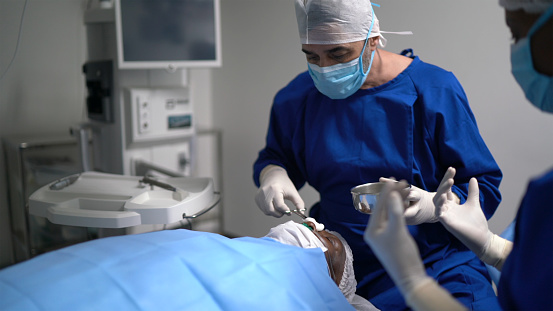
Cataract surgery is a routine, minimally invasive procedure in which the cloudy natural lens of the eye is removed and replaced with an IOL. The surgery is typically performed under local anesthesia, which means you will be awake but comfortable. The entire procedure usually takes less than 30 minutes, and most patients experience significant vision improvement within a few days.
Before Cataract Surgery
Pre-Surgery Eye Tests
Before the surgery, you will undergo several tests to assess the overall health of your eyes and help the surgeon select the most appropriate IOL for you. These tests typically include:
- Visual acuity test: To measure how well you can see at different distances.
- Ocular pressure measurement: To check for signs of glaucoma.
- Corneal topography: This test maps the shape of your cornea and helps determine the best IOL for you.
- Retinal examination: Ensures that there are no underlying conditions, like macular degeneration, that could affect your vision after surgery.
Preparation Steps
Prior to cataract surgery, your doctor will give you instructions on how to prepare. This may include:
- Stopping certain medications: Particularly blood thinners, which may need to be stopped a few days before surgery.
- Using prescribed eye drops: These may help reduce the risk of infection or inflammation.
- Fasting: If sedation is required, you will likely need to avoid eating or drinking for several hours before the surgery.
What Patients Should and Shouldn’t Do
- Do wear comfortable clothing: You’ll be in a reclining position during the procedure, so wear loose, comfortable clothes.
- Do arrange transportation: Since you won’t be able to drive after surgery, make sure you have someone to take you home.
- Don’t wear makeup: Especially around the eyes, as it can introduce bacteria and increase the risk of infection.
During Cataract Surgery
How the Procedure Is Performed
Cataract surgery is typically done on an outpatient basis. Here’s a general breakdown of the procedure:
- Incision: A tiny incision is made in the eye, usually near the cornea.
- Lens Removal: The cloudy lens is broken up (phacoemulsified) using ultrasound energy and then removed.
- IOL Implantation: After the natural lens is removed, the IOL is inserted into the eye to replace it.
- Closing the Incision: The incision is very small and usually does not require stitches, as it self-seals.
Pain Management and Duration

Most patients do not experience pain during the procedure, as the eye is numbed with local anesthesia. The surgery itself typically takes 15-30 minutes. You may feel mild pressure, but this should not be painful.
What Patients Experience During Surgery
While you are awake during the surgery, the procedure is quick and well-tolerated by most people. You may feel some pressure or slight discomfort as the surgeon works, but you should not experience any pain. You’ll be given sedatives to help you relax.
After Cataract Surgery
Recovery Timeline
After cataract surgery, most patients notice improvements in their vision within the first 24-48 hours. The recovery process varies from person to person, but generally:
- First few days: Your vision may be blurry, and you may experience some mild discomfort or irritation. This is normal and typically improves within a few days.
- First week: You may be instructed to wear an eye shield while sleeping to prevent accidental rubbing of the eye.
- 1-2 weeks: Vision should stabilize, though it may take up to a month for your eye to fully heal and for your vision to settle.
Vision Changes
After cataract surgery, many patients notice that their vision is much clearer, brighter, and sharper. However, some temporary side effects can occur:
- Dry eyes: This is common after surgery, but can be managed with lubricating eye drops.
- Glare or halos: You may experience glare or halos around lights, especially at night. This often improves within a few weeks as the eye heals.
Post-Operative Care and Restrictions
- Eye drops: To reduce inflammation and prevent infection, your doctor will prescribe medicated eye drops.
- Avoiding strenuous activity: For the first few weeks, you should avoid heavy lifting, bending over, or any activity that may put strain on your eye.
- No swimming or hot tubs: You should avoid getting water in your eye during the healing process, so swimming and hot tubs are off-limits for a few weeks.
Benefits and Success Rates
Cataract Surgery Success Rate
Cataract surgery has an excellent success rate, with over 95% of patients experiencing significant improvement in their vision. The procedure is generally safe and effective, and complications are rare.
Benefits of Choosing the Right IOL
The right IOL can significantly enhance your visual outcomes after cataract surgery. Some of the benefits include:
- Improved distance vision: With the right IOL, many patients experience clear, crisp vision for activities like driving or watching TV.
- Reduced dependency on glasses: Certain types of IOLs, such as multifocal or accommodative lenses, can help reduce or eliminate the need for reading glasses or bifocals.
Possible Risks and Side Effects
As with any surgical procedure, cataract surgery carries some risks, including:
- Infection: Though rare, infections can occur after surgery and may require treatment with antibiotics.
- Swelling: Mild swelling is common, but serious swelling can occur in some cases.
- Retinal detachment: Though rare, retinal detachment can happen after cataract surgery and requires immediate attention.
When to Contact Your Eye Doctor
You should contact your eye doctor if you experience any of the following:
- Severe pain that doesn’t improve with over-the-counter medication.
- Sudden vision loss or dramatic changes in vision.
- Excessive redness or swelling that doesn’t improve after the first few days.
- Flashes of light or a sudden increase in floaters, which could indicate a retinal issue.
Conclusion: Choosing the Right IOL for You
Choosing the right IOL for your cataract surgery is a key part of achieving the best possible outcome. There are many types of IOLs to choose from, and the right one depends on your lifestyle, eye health, and vision goals.
Your eye doctor will help guide you through the decision-making process, taking into account your visual needs, lifestyle, and any underlying eye conditions. By understanding the different IOL options available, you can feel more confident in your choice and look forward to improved vision after surgery.
Discover how to choose the right intraocular lens (IOL) for cataract surgery. Learn about the different types of IOLs, their benefits, and how to select the best one for your vision needs.